
 EN
EN ES
ES PT
PT TH
TH VN
VN JP
JPWhy Commercial Truck Fleets Need More Than a Basic Dash Cam
For many U.S. fleets, a dash cam is no longer just a “nice-to-have” device.
Whether you manage delivery vans, service vehicles, box trucks, or long-haul trucks, road incidents can quickly become expensive. A single accident may lead to insurance claims, driver disputes, vehicle downtime, customer complaints, and days of follow-up.
That is why more businesses are looking for a commercial dash cam for trucks instead of using basic consumer-grade cameras.
A regular dash cam may record the road. But a fleet-ready dash cam should help your team understand what happened, protect drivers, improve safety, and manage daily operations with better visibility.
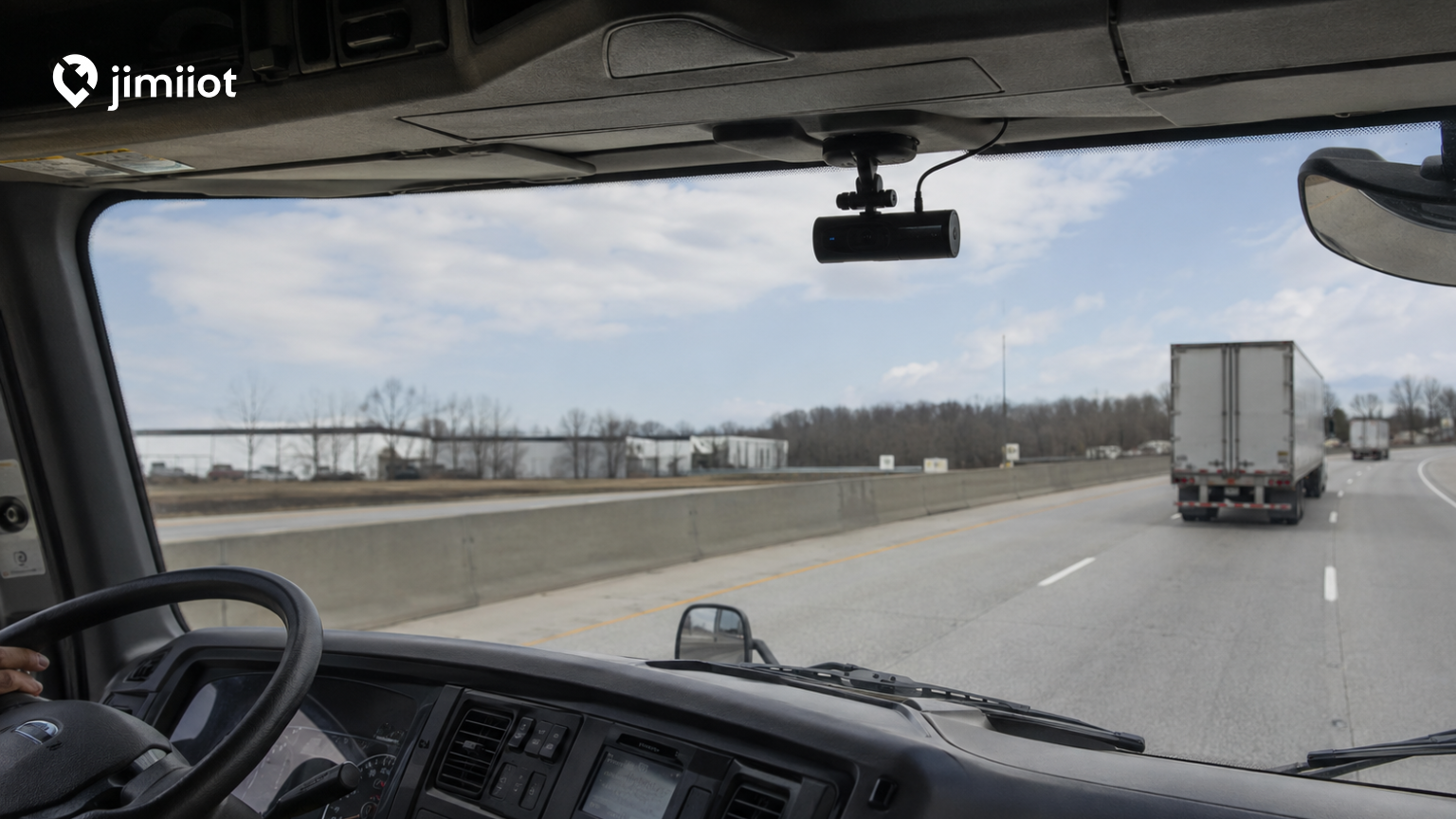
1. Clear Video Evidence for Accidents and Claims
The first thing a commercial dash cam should provide is reliable video evidence.
After an accident, fleet managers often need to answer questions such as:
What happened before the crash?
Was the driver at fault?
Did another vehicle cut in?
Was there a side impact or blind spot issue?
Is there footage that can support the insurance claim?
Clear footage helps reduce guessing and shortens the investigation process.
For commercial fleets, this matters because every hour spent arguing over what happened can delay claims, repairs, deliveries, and customer communication.
2. GPS Tracking and Trip Context
A good truck dash cam should not work alone.
When video is connected with GPS tracking, fleet teams can see not only what happened, but also where and when it happened.
This gives managers better context during incident review.
For example, GPS data can help confirm:
- Vehicle location
- Route history
- Driving speed
- Stop duration
- Trip timeline
- Incident time and place
This is where a connected fleet dash camera system becomes more useful than a standalone camera.
3. Multiple Camera Views for Better Visibility
Many commercial truck incidents are not fully captured by a front-facing camera.
A front camera can show the road ahead, but it may miss what happens inside the cabin, beside the vehicle, or around blind spots.
For fleets that operate in busy cities, construction zones, warehouses, or long-distance highways, multi-angle visibility can be especially important.
A stronger commercial dash cam system may support:
- Road-facing video
- Cabin-facing video
- Side-view cameras
- Rear-view cameras
- Event-triggered video clips
This helps fleet managers review incidents more accurately and avoid relying only on driver statements or partial footage.
4. Driver Behavior Monitoring
Commercial dash cams are not only used after accidents. They can also help prevent future incidents.
When paired with video telematics, dash cams can help identify risky driving behavior such as:
- Harsh braking
- Rapid acceleration
- Sharp turning
- Distracted driving
- Fatigue signs
- Tailgating
- Speeding events
This gives safety managers useful material for driver coaching.
Instead of giving general feedback, managers can review real driving events with drivers and provide more specific training.
5. Real-Time Alerts for Faster Response
For active fleets, delayed information is often a problem.
If a vehicle is involved in a crash, unauthorized stop, harsh braking event, or risky driving situation, managers need to know quickly.
A fleet-ready dash cam system should support real-time alerts so the team can respond faster.
This can help with:
- Accident response
- Driver safety follow-up
- Theft or unauthorized use
- Customer delivery updates
- Emergency assistance
- Route disruption management
For U.S. fleets managing multiple vehicles across different routes, faster visibility can make daily operations much easier to control.
6. Easy Access Through a Fleet Platform
One common problem with fleet technology is having too many separate tools.
A GPS tracking app.
A dash cam app.
A driver report system.
A spreadsheet for incidents.
This creates more work for dispatchers and managers.
A better approach is to use a system where video, GPS, alerts, and driver behavior data can be viewed in one place.
With a connected platform like Tracksolid Pro, fleets can manage vehicles, review video clips, check location, and monitor events through a more unified workflow.
This helps reduce platform switching and makes incident reporting easier.
7. Built for Commercial Vehicle Environments
A dash cam for business vehicles should be designed for real working conditions.
Commercial vehicles may operate for long hours, travel across different climates, and face vibration, heat, dust, and frequent use.
When choosing a commercial dash cam for trucks, businesses should consider:
- Device durability
- Stable installation
- Storage options
- Video quality
- Camera expansion
- Remote access
- Platform compatibility
- Fleet-level management features
The goal is not just to install a camera. The goal is to build a reliable video safety system for daily fleet operations.
Final Thoughts
Choosing the right commercial dash cam for trucks is about more than recording the road.
For modern fleets, the right system should provide clear video evidence, GPS context, driver behavior insights, real-time alerts, and easier accident reporting.
A basic camera may help you see what happened.
A connected fleet dash camera system helps you respond, prove, coach, and improve.
For U.S. businesses managing commercial vehicles, that difference can mean fewer disputes, safer drivers, and more efficient fleet operations.
Looking for a reliable dash cam system for your commercial fleet?
Explore Jimi IoT’s video telematics solutions and see how connected dash cams can help your team improve safety, simplify accident reporting, and manage vehicles with better visibility.


