
 EN
EN ES
ES PT
PT TH
TH VN
VN JP
JPFor many logistics teams, knowing where a shipment is located is no longer enough.
When cargo is temperature-sensitive, location is only one part of the story. Food, medicine, chemicals, flowers, and other sensitive goods can lose value long before they arrive at the destination. A shipment may still be on route, the truck may still be moving, and the delivery may still appear “normal” from a basic GPS map. But if the temperature or humidity goes out of range, the damage may already be done.
That is why cold chain GPS tracking is becoming more important for modern logistics operations. It helps fleet managers monitor not only where assets are, but also what condition the cargo is in during transport.

What is cold chain GPS tracking?
Cold chain GPS tracking combines location tracking with environmental monitoring.
A standard GPS tracker tells you where a vehicle, trailer, container, or asset is located. A cold chain tracking device adds another layer by monitoring conditions such as temperature and humidity. This gives logistics teams better visibility into shipments that must stay within a controlled environment.
For example, a cold chain tracker can help monitor:
- Refrigerated food shipments
- Frozen products
- Pharmaceutical and healthcare goods
- Fresh produce and flowers
- High-value goods stored in controlled environments
- Warehouse-to-store distribution
- Cross-border and long-distance logistics
Instead of waiting until delivery to discover a problem, teams can receive alerts when conditions change during the journey.
Why temperature visibility matters
Temperature problems are not always obvious from the outside.
A reefer truck may look normal. A container may arrive on time. A driver may not notice a short equipment failure, a door left open too long, or a temperature change during loading. But for sensitive cargo, even a short period outside the required range can create quality issues.
For food logistics, poor temperature control can increase spoilage risk. For pharmaceutical shipments, environmental changes may affect product integrity. For retailers and distributors, damaged goods can lead to rejected deliveries, customer complaints, and financial loss.
Cold chain GPS tracking helps reduce these blind spots. When managers can see both location and temperature data, they can respond faster and make better decisions.
Common cold chain risks during transportation
Temperature-sensitive shipments can face problems at many points in the journey.
One common issue is loading and unloading delay. Cargo may sit at the dock longer than expected, or doors may remain open during transfer. Another issue is route delay. Traffic, weather, border checks, or scheduling changes can extend transport time and increase exposure risk.
Equipment problems are also a major concern. A refrigeration unit may fail, lose power, or perform inconsistently. In some cases, the vehicle may continue moving while the cargo environment quietly changes.
There are also human factors. Drivers may not report small changes immediately. Warehouse teams may not notice that cargo was exposed for too long. Without tracking data, it can be difficult to know when and where the problem started.
A GPS tracker with temperature and humidity monitoring can help create a clearer record of the shipment journey.
From location tracking to condition tracking
Traditional fleet tracking is often focused on vehicle movement. It answers questions like:
- Where is the truck?
- When will it arrive?
- Has it left the warehouse?
- Is it following the planned route?
Cold chain operations need additional answers:
Was the shipment kept within the required temperature range?
Did humidity change during transport?
When did the temperature deviation happen?
Where was the cargo when the alert occurred?
Was the issue caused during loading, transit, or unloading?
This shift from simple location tracking to condition tracking is important. It gives teams more actionable information, especially when cargo quality depends on the transport environment.
How alerts help reduce cargo risk
The real value of cold chain GPS tracking is not just recording data. It is giving teams a chance to act.
If a temperature or humidity deviation is detected, managers can receive an alert and respond before the shipment is lost. Depending on the situation, they may contact the driver, check the refrigeration unit, reroute the vehicle, adjust handling instructions, or notify the receiving team.
This can help reduce unnecessary waste and improve communication between shippers, carriers, warehouses, and customers.
For fleets that handle recurring deliveries, tracking data can also reveal patterns. If temperature problems often happen at one loading dock, on one route, or with one vehicle, the team can investigate and fix the process instead of treating each incident as separate.
Why offline records are useful
Not every shipment has perfect network coverage.
Cold chain vehicles may pass through rural areas, warehouses, underground loading zones, or regions with weak cellular signal. If a tracking device only works when connected, data gaps can make it harder to understand what happened.
Offline data storage helps solve this problem. When the device can store location, temperature, and humidity records locally, the shipment history can still be reviewed later. This is useful for audits, delivery disputes, internal quality checks, and customer communication.
For logistics teams, a complete record is often more valuable than a simple arrival confirmation.
What to look for in a cold chain tracking device
When choosing a cold chain GPS tracker, fleets should consider more than basic GPS positioning.
Useful features may include:
Temperature and humidity monitoring
Real-time alerts for abnormal conditions
4G connectivity for remote visibility
Offline data storage
Accurate location tracking
Easy deployment on vehicles, trailers, or cargo assets
Exportable records for review
Reliable hardware for logistics environments
The right device depends on the cargo type and operation model. A food distributor may care most about refrigerated delivery records. A pharmaceutical logistics provider may need more detailed environmental visibility. A warehouse-to-store fleet may need simple alerts and easy deployment across many assets.
How Jimi IoT supports cold chain visibility
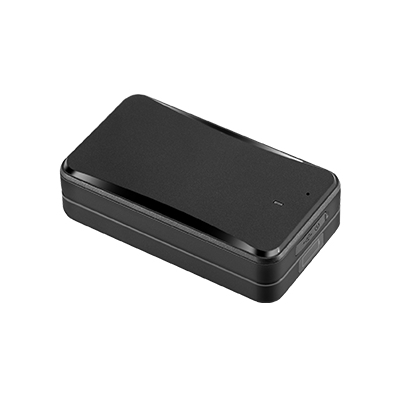
Jimi IoT provides GPS tracking solutions for fleets, assets, and logistics operations. For cold chain and temperature-sensitive cargo, the LL301 LTE Cat 1 Asset GNSS Tracker can help logistics teams improve asset visibility during transportation, especially when paired with an optional environmental sensor for temperature and humidity monitoring.
The LL301 supports GPS and LBS positioning, LTE and GSM communication, a 10,000mAh rechargeable battery, multiple working modes, and instant alerts for events such as device removal, abnormal vibration, low battery, and tampering. Its strong magnetic base also makes it easy to deploy on vehicles, trailers, containers, and other logistics assets with minimal installation.
For cold chain operations, this means fleet managers can track where their assets are, receive alerts when abnormal events occur, and connect location visibility with environmental monitoring when needed. Instead of only checking shipment status after delivery, teams can gain a clearer view of cargo movement and asset condition throughout the transportation process.
Final thoughts
Cold chain logistics is not only about delivering goods on time. It is about delivering them in the right condition.
For temperature-sensitive shipments, a basic location update cannot show whether the cargo stayed safe during the journey. Cold chain GPS tracking gives logistics teams the visibility they need to detect problems earlier, reduce cargo loss, and improve customer confidence.
As supply chains become more time-sensitive and quality-focused, temperature visibility will become a stronger part of fleet and asset management. For food, pharma, and refrigerated logistics operations, tracking cargo condition is no longer optional. It is becoming part of responsible delivery management.


